Why robots that can’t communicate naturally won’t be adopted
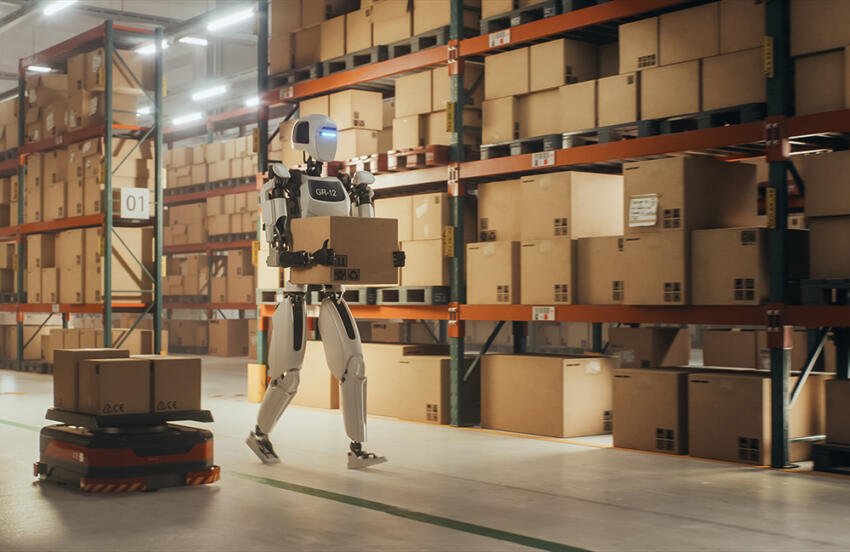
NVIDIA Corp. — for humanoid robots to operate in the real world, they’ll need more than a sense of sight. | Some of them walked, navigated, and manipulated objects with a level of dexterity that would have seemed unrealistic just a few years ago.
And yet, despite all of this progress, I find myself consistently underwhelmed when I try to communicate with them at Treble. Supporting the development of advanced audio and voice technologies has been Treble’s bread and butter for a long time. We’ve already grown used to building powerful audio AI for world-leading products. So, naturally, my perspective is shaped by that. Still, I find it striking how underdeveloped communication and auditory perception remain in robotics. We’re building astonishing machines that can move like us and, in many cases, see better than us. But these machines can’t interact with us in a natural way yet. In my opinion, this is a central challenge that can determine whether this technology is truly adopted. In my view, human-machine interaction will become the defining hurdle for widespread acceptance of robots by humans because it heavily impacts trust, safety, efficiency, and ease of use. The real world is loud, complex and chaotic Humanoids, and more broadly mobile physical AI, are unlikely to be accepted by people until they can communicate effectively through voice. And not just in controlled, quiet environments, but in the places where real life unfolds. This includes crowded trade show floors, industrial settings, city streets, and homes filled with noise, movement of sound sources, reverberation, and unpredictability. These are the environments in which humans operate, and they’re precisely the environments where current embodied AI audio and voice systems tend to break down. At the same time, it’s completely understandable why sound has not been a primary focus. The current competitive landscape in robotics rewards visible, measurable progress.