NVIDIA RISC-V for NVIDIA GPUs at Hot Chips 2026
NVIDIA took the stage at Hot Chips 2026 to talk about RISC-V for NVIDIA GPUs. We wanted to cover a few of the RISC-V presentations, but on Sunday we were a bit behind.
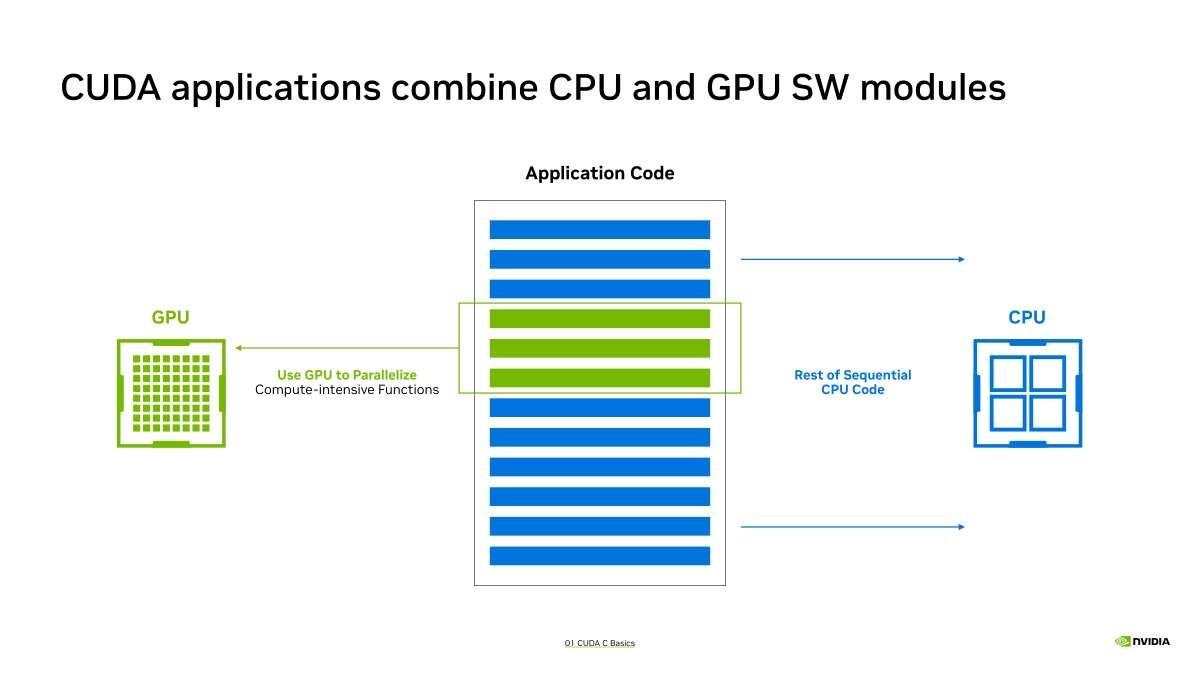
So we are catching up now. As a fun aside, this was a tutorial day session, so it is not one where we saw the same two opening slides that we did in the other NVIDIA Hot Chips presentation. NVIDIA structured the talk around two platforms, CUDA and NVLink Fusion. Host CPUs have a defined role in each one, and NVIDIA laid out the requirements RISC-V CPUs would need to meet along with the opportunities and challenges of bringing more of its stack to RISC-V. CUDA dates back to 2006 as a parallel computing platform and the idea is how it can integrate CUDA and RISC-V. CUDA applications split work between CPU and GPU software modules. Compute-intensive functions are parallelized on the GPU while the rest of the application runs sequentially on the CPU. This host CPU software stack is complex and heterogeneous. Application modules mix CPU-only and CUDA-accelerated components. CUDA libraries, drivers, and tools plus third-party software for the target CPU sit on top. NVIDIA already supports Intel/AMD x86 CPUs along with Arm CPUs on the CPU side. For RISC-V CPUs to run CUDA, NVIDIA points to RISC-V server-related specifications. RVA23 profiles and the RISC-V Boot and Runtime Services specification cover the application layer. These RISC-V server SoC and platform specifications define the system level. Software binary compatibility is a central goal.