Why vision AI is the safety backbone of the automated job site
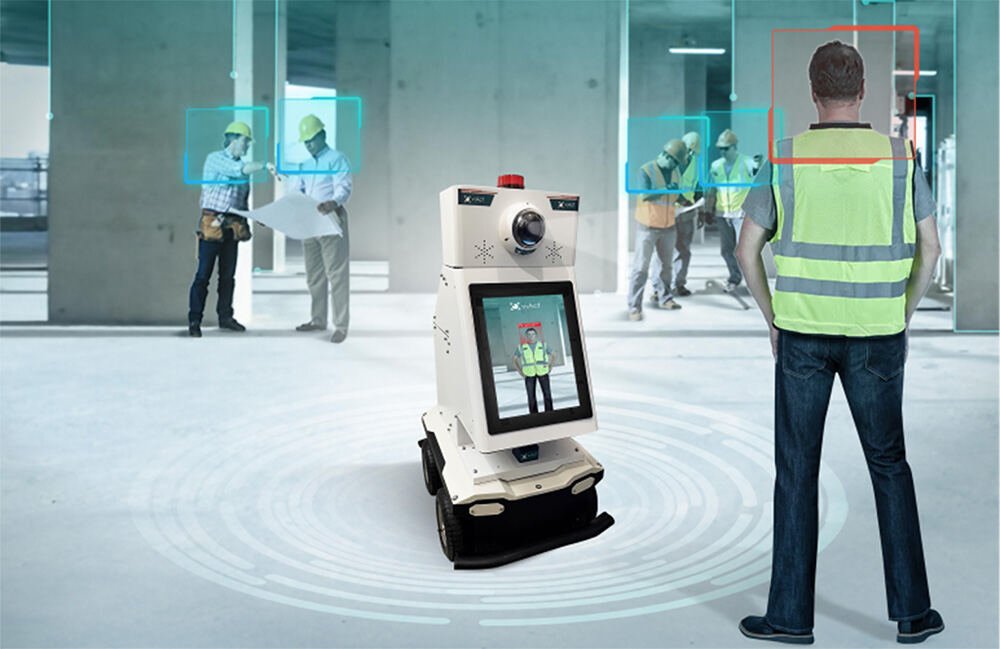
ViAct offers viBOT, an autonomous robotic monitor for construction. | Autonomous earthmoving equipment is beginning to reshape excavation.
Robotic layout systems are improving precision. Drones are inspecting hard-to-reach structures. Across the board, vision AI-powered machines are steadily moving from controlled pilots to active job sites. The global construction robotics market is estimated to reach $3.66 billion by 2030, according to Grand View Research. Yet the success of construction robots won’t ultimately be determined by how capable the machines become. It will depend on something far less visible: how safely frontline workers and autonomous systems can work together. Let’s picture a mid-rise construction project. An autonomous compactor is completing its programmed route across the site while an inspection drone carries out its routine progress survey overhead. Everything is functioning exactly as designed. Then a worker steps into the compactor’s operating zone to retrieve a dropped tool. Nothing has malfunctioned. The machine continues following its assigned task exactly as it was programmed to do. The challenge is that the job site has changed in a matter of seconds, and safe operations now depend on recognising that change before it becomes an incident. That layer of safety is brought by vision AI, and it’s the quiet prerequisite the industry is currently excited about. The transition zone, not full automation, is where construction risk concentrates OSHA’s “Fatal Four,” falls, struck-by, electrocution, and caught-in/between hazards, account for roughly 58% to 59% of U.S.