From 14 cities to 15,000: What it will take to scale robotaxis?
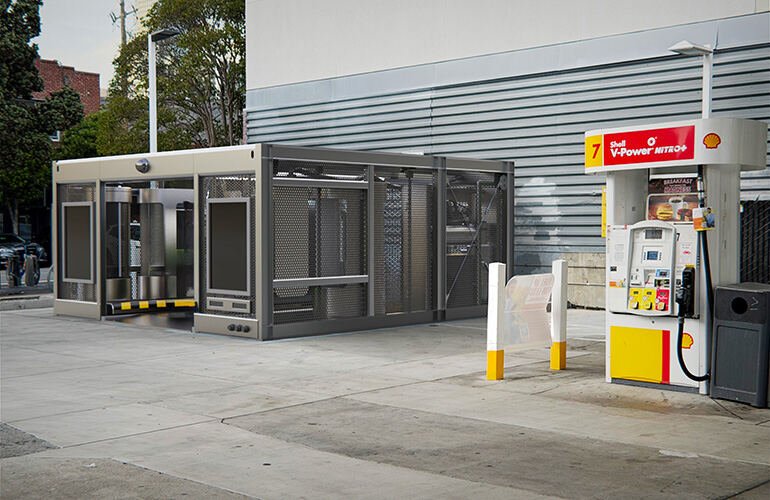
In the future, robotaxis will have cleaning and reset stations available throughout their operational territory. | Waymo has logged more than 220 million autonomous miles and, by its own count, has more than 94% fewer serious injury crashes than human drivers.
It gives around half a million paid rides a week and is expanding to more cities. So the question has moved from “Does this work?” to “How does this get everywhere?” Waymo is in 14 cities. Uber is in over 15,000. Uber did 3.9 billion trips last quarter. It processes Waymo’s entire weekly ride volume every 17 minutes. Driving software and vehicle supply have billions pointed at them. Almost nobody is funding the least glamorous problem: what happens to the cars between rides. The pit is across town No Formula 1 team drives back to the factory for new tires. The pit is at the track; the car is out in seconds. A robotaxi finishes a ride, discovers a spilled latte on the back seat, and drives up to 15 miles, empty, to a centralized depot to be cleaned, charged, and inspected. A fully autonomous pod cleans and recharges a robotaxi. | California data shows the cost: of 86 million Waymo miles reported through 2025, only 54% carried a passenger. Not every empty mile is a depot run, but every depot run is an empty mile. Autonomous on the road, manual the moment it needs servicing. That is where scale breaks.