Charter Space raises $5M to bring insurance to the stars
Last day to demo your breakthrough to 10,000+ tech leaders is on Oct 2. Book Exhibit Table Now.
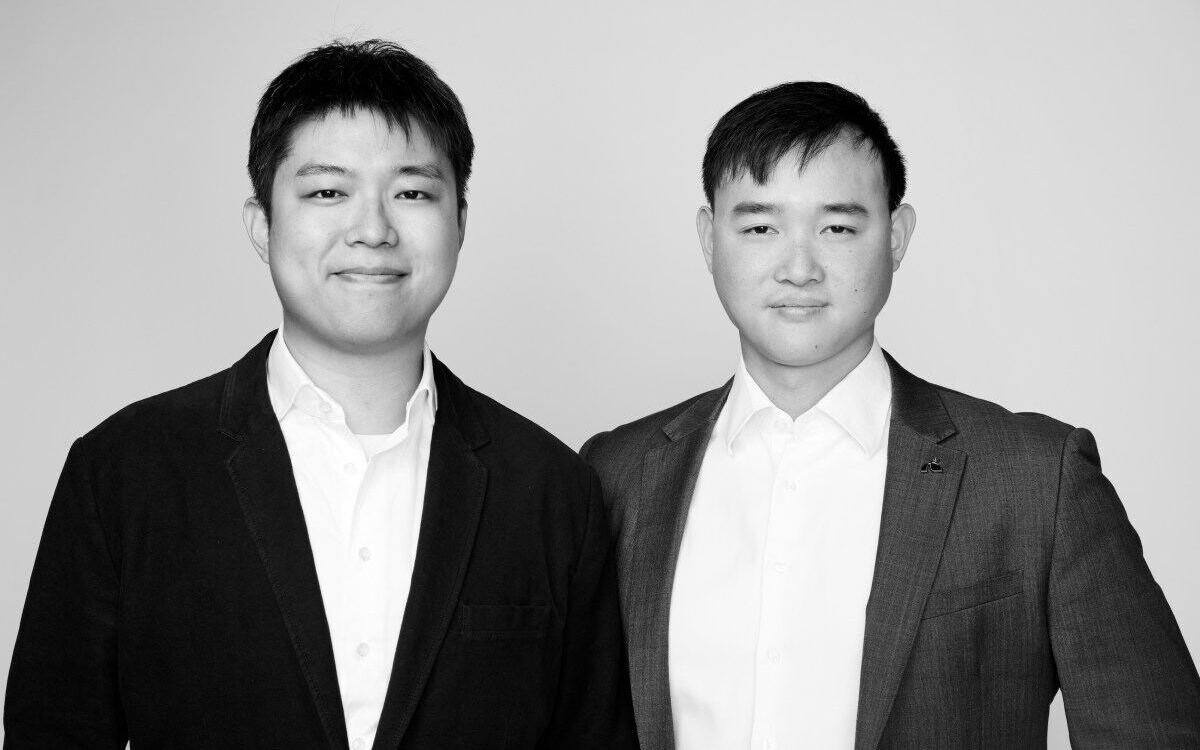
Disrupt ticket savings of up to $200 + 50% off a second ends Sept 25, 11:59 p.m. PT. REGISTER HERE. Charter Space, a finalist in last year’s TechCrunch Startup Battlefield, has raised a $5 million seed round to keep growing its budding space insurance business. The El Segundo, California-based startup said Wednesday it’s already servicing over 50 companies across the U.S. space and defense industrial base following the launch of its nationally-licensed insurance brokerage in May. Insurance-focused Crystal Venture Partners led the round, and fintech investors QED and Blank Ventures, early-stage venture firm Hustle Fund, and Gaingels, an investment syndicate that backs startups with underrepresented leadership, also participated. Things go wrong in the space industry all the time, so companies are constantly planning contingencies. But insuring objects that go to space is still a rare practice. Charter Space’s founder and CEO, Yuk Chi Chan (above, right), believes this is largely because of the high cost of underwriting something like a satellite. As Charter explains on its website, a common experience for space companies is that regular insurers “heard a bunch of scary science words and freaked out.” When Chan started Charter Space with co-founder Yukun Yin, they set out to build a centralized software for aerospace engineering that would bring together the technical, manufacturing, and test data for customers. But he realized there was a lot of potential value in plugging that data into the underwriting process. “We want more satellites to get insured, because that means that everything as a whole is much, much safer. If we can proliferate insurance coverage, one, that’s good for the space industrial base, a lot more companies have a safety net… But it’s also a lot healthier for the overall economy, because then that encourages global investment from different alternative capital sources,” Chan told TechCrunch last year. “You’re not solely reliant on VC or some growth equity.