Malaysia’s AI agent-powered messaging app Respond.io raises $62.5M, eyes acquisitions
respond.io, one of Malaysia startups to watch, uses AI agents to handle high volumes of customer inquiries and charges per convo, not per seat.
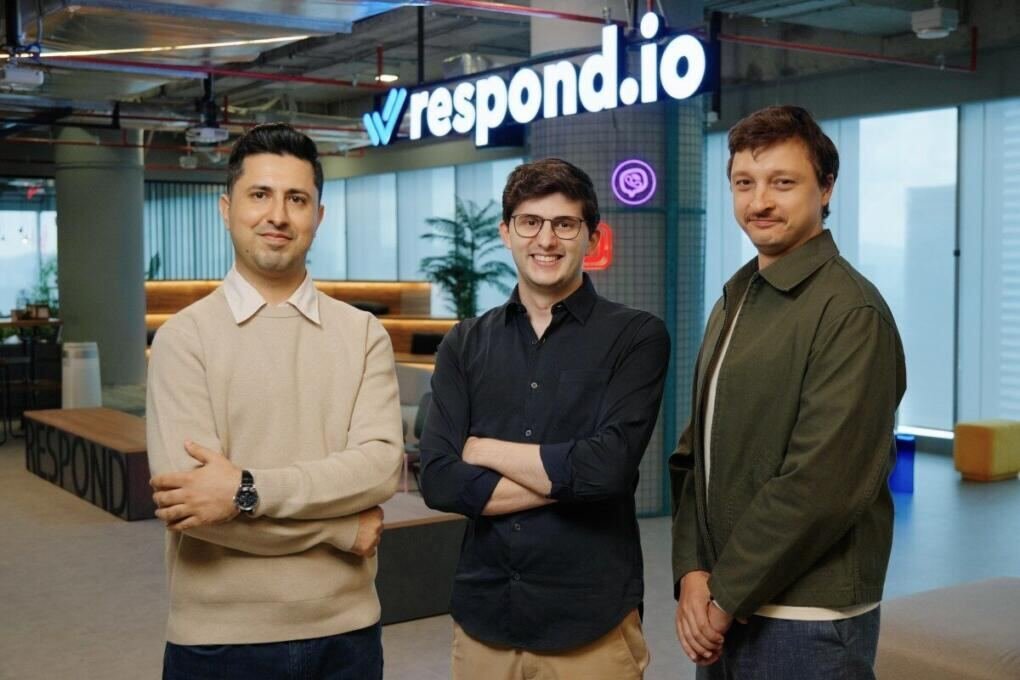
The startup, headquartered in Kuala Lumpur, has raised a $62.5 million Series B round led by Camber Partners, with participation from Endeavor Catalyst and existing investors. It last raised a $7 million Series A in 2022. The company has grown to $35 million in annual recurring revenue (ARR), growing 169% year-over-year, at a 30% profit margin, it tells TechCrunch. Co-founder and CEO Gerardo Salandra, who worked at IBM and Google before joining Runtastic, a fitness tracking app that was sold to Adidas in 2015, founded Respond in Hong Kong in 2017 alongside Hassan Ahmed (CTO) and Iaroslav Kudritskiy (COO). The team relocated the business to Malaysia two years later. The platform helps mid- to large-sized B2C businesses drive revenue from customer conversations across multiple messaging channels, including WhatsApp, Instagram, TikTok, Messenger, Line, Telegram, WeChat, voice calls, and web chat. It also uses AI agents to automatically handle high volumes of customer inquiries, qualify leads, and close sales without human intervention. Salandra described its core customers as “high-consideration” businesses, where customers need to talk to someone before buying, such as healthcare, automotive, retail, education, and travel. “You don’t go to a website, put your credit card, and buy a car; you chat with someone, you ask a lot of questions,” he said. Its sweet spot is companies with 200 to 10,000 employees. The rise of AI has raised an obvious question for platforms like Respond: Can tools like ChatGPT simply replace what they’ve built? Salandra thinks his foothold is strong enough to stop such encroachment, should it come. The company is currently processing 2 billion messages per quarter. “If I just look at the numbers, every day that AI becomes more prominent, we grow faster,” he told TechCrunch. “We are not seeing what the public SaaS markets are seeing.”