UN diplomats fail to regulate ‘killer robots’ amid urgent calls for action
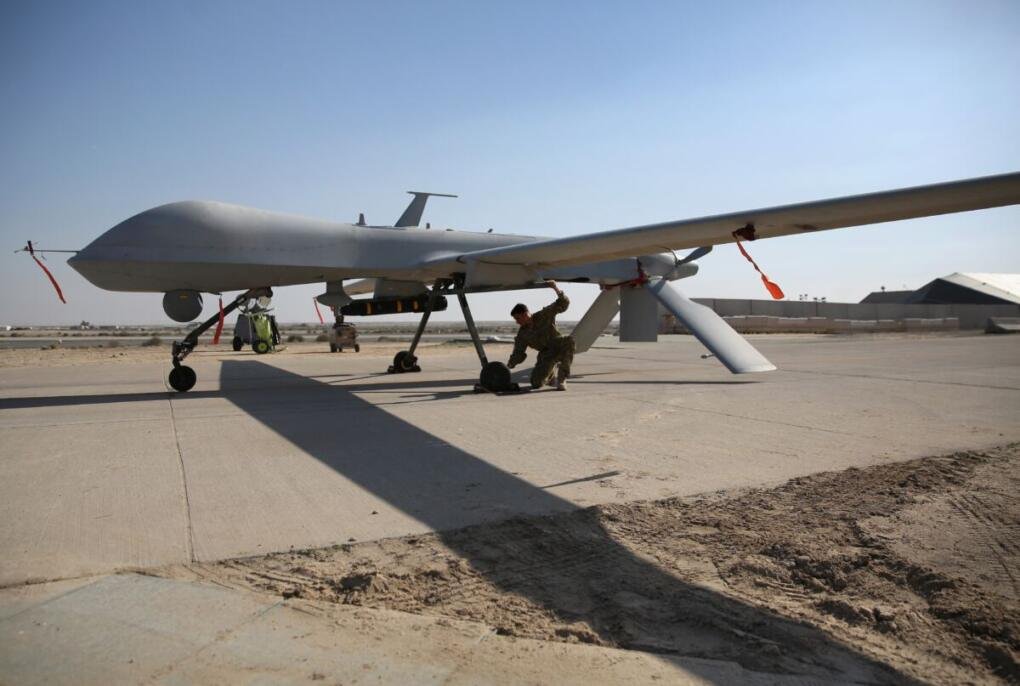
UN diplomats meeting in Geneva from November 17 to 21, 2026, failed to reach an agreement on regulating autonomous weapons, commonly known as ‘killer robots,’ despite urgent calls for legally binding rules.
The negotiations, which spanned five days, were characterized by a lack of consensus among member states, leaving humanitarian organizations frustrated. The International Committee of the Red Cross had previously emphasized the urgency of drafting legally binding regulations within a year, a sentiment echoed by U.N. Secretary-General António Guterres and Pope Francis.
However, after a week of discussions, representatives concluded with only a commitment to ‘start discussing options’ rather than a definitive plan. The absence of a clear regulatory framework for autonomous weapons raises significant ethical and legal concerns, particularly as military technology continues to advance. Countries such as the United States and Russia are at the forefront of developing these technologies, which can operate without human intervention.
Critics warn that without regulations, the deployment of such weapons could lead to unintended consequences and violations of international humanitarian law, potentially resulting in civilian casualties and accountability issues. This Geneva meeting was part of ongoing efforts to address the challenges posed by artificial intelligence in warfare. Previous discussions had underscored the potential for autonomous systems to make life-and-death decisions without human oversight, prompting fears about accountability and transparency in military operations.
Despite the urgency expressed by various organizations and leaders, the lack of agreement reflects deep divisions among nations regarding the future of warfare and the role of technology. Looking ahead, the next steps remain uncertain as countries will need to navigate their differing perspectives on military autonomy and ethical considerations. The U.N. has indicated that further discussions will be scheduled, but without a clear timeline or framework, the path forward for regulating killer robots remains murky.
The stakes are high, as the implications of these technologies could redefine modern warfare and international relations.
Why it matters: The failure to establish regulations for autonomous weapons highlights the ongoing struggle among nations to balance technological advancement with ethical considerations in warfare. The lack of consensus may hinder efforts to prevent potential humanitarian crises as military capabilities evolve. Watch for the U.N.'s next steps in addressing these pressing concerns, as the dialogue continues.
Original reporting: The Verge AI