I Sold My AI Startup Before Revenue: Here’s What Investors Missed — And Founders Shouldn’t

By Alexander Kardos-Nyheim I sold my AI research company while I was qualifying as a lawyer in the U.K. I built Safe Sign Technologies with researchers from Cambridge, DeepMind, Harvard and MIT who believed in the mission enough to trust a 21-year-old law student to lead the ship.
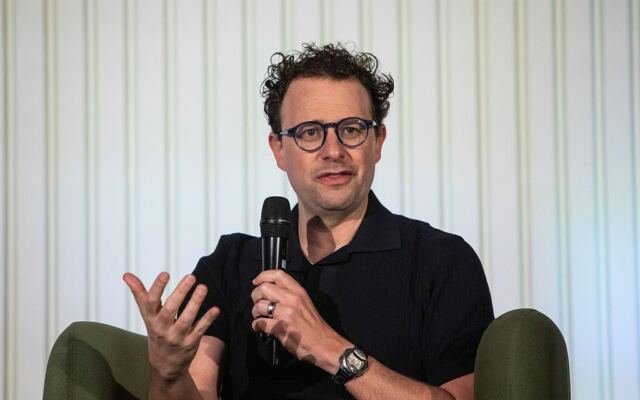
Roughly 20 months later, when Thomson Reuters acquired us, it was the first time in its 170-year history it bought a company pre-revenue. Thomson Reuters acquired us for the science. Alexander Kardos-Nyheim. (Courtesy photo) Getting there was painful, though. Our published papers put the model among the best in the world at legal reasoning, and we trained it for a fraction of what the large labs were spending. We had been a quieter version of “the DeepSeek story,” developing very capable models using novel algorithms with huge capital efficiency. None of that counted for much in the rooms I walked into. Investors always asked about the product and the traction. U.K. investors passed, and I ended up raising most of our funding in the United States. I back founders now, and the things I weigh have stayed consistent. As a founder, I was told again and again that science meant little until it was bolted onto a product. That test was wrong then and I believe it is fatal now. Backing founders in the foundational layer In the first quarter of 2026, foundational AI startups raised around $178 billion. The market is realizing that foundational AI is where the long-term value sits, and this is the year we may see the exits and IPOs that prove the bet right.