Agility outlines six recommendations for U.S. humanoid robot policies
In recent years, humanoid robots have been slowly making their way out of the lab and into real industrial environments, doing real labor. Agility Robotics, a humanoid developer that has helped to lead this change, believes it’s inevitable that humanoids will be helping fill in labor gaps.
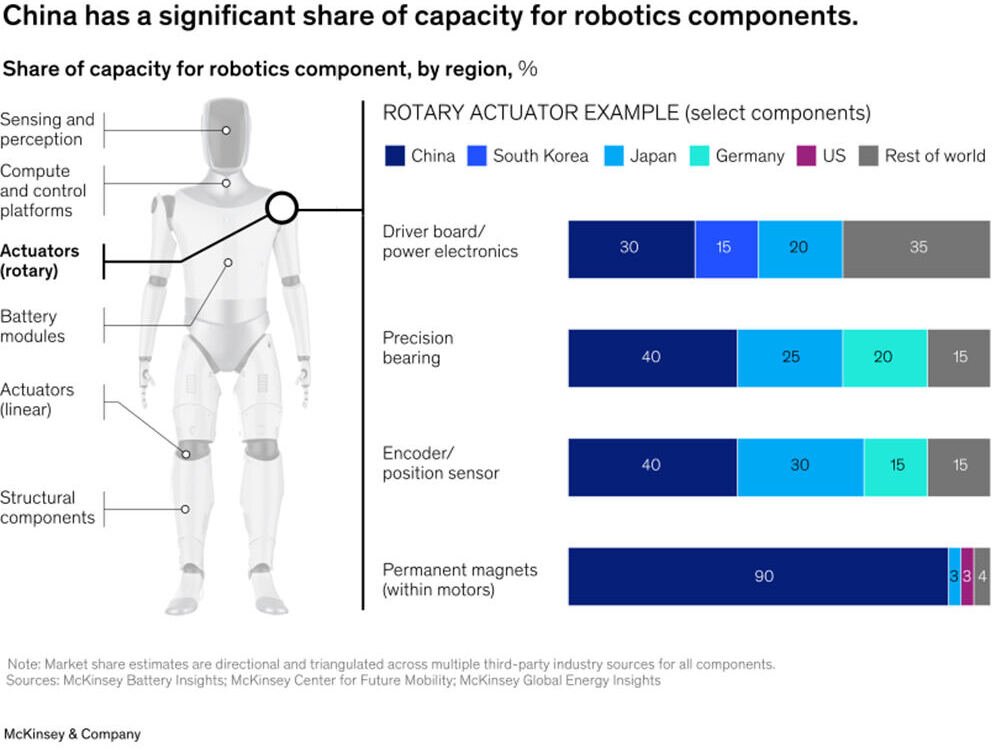
But, will the U.S. be leading the charge? In a recent video, Peggy Johnson, CEO of Agility, said the U.S. needs a focused policy framework that can strengthen and accelerate what’s already working for the industry. She outlines six pillars she claimed will create a healthy regulatory environment for the humanoid market and the people they will operate around. 1. Close the gap on internationally sourced components Johnson’s first recommendation centers around the key components that humanoid robot developers need for commercial deployments. Currently, developers must source certain components internationally. “This is not a matter of preference, but of current limitations in American manufacturing capacity,” Johnson said. According to a report from McKinsey, China currently has a significant share of capacity for robotics components. For example, China currently makes up 90% of the capacity of permanent magnets within motors, a key component for humanoid robots. Policymakers have the opportunity to strengthen domestic production and reduce long-term reliance on foreign suppliers, Johnson said. This will make the emerging U.S. humanoid industry more resilient over time. China has a significant share of the capacity for humanoid robot components.