Apple Unveils AI-Powered Siri at WWDC, Emphasizing Software Improvements
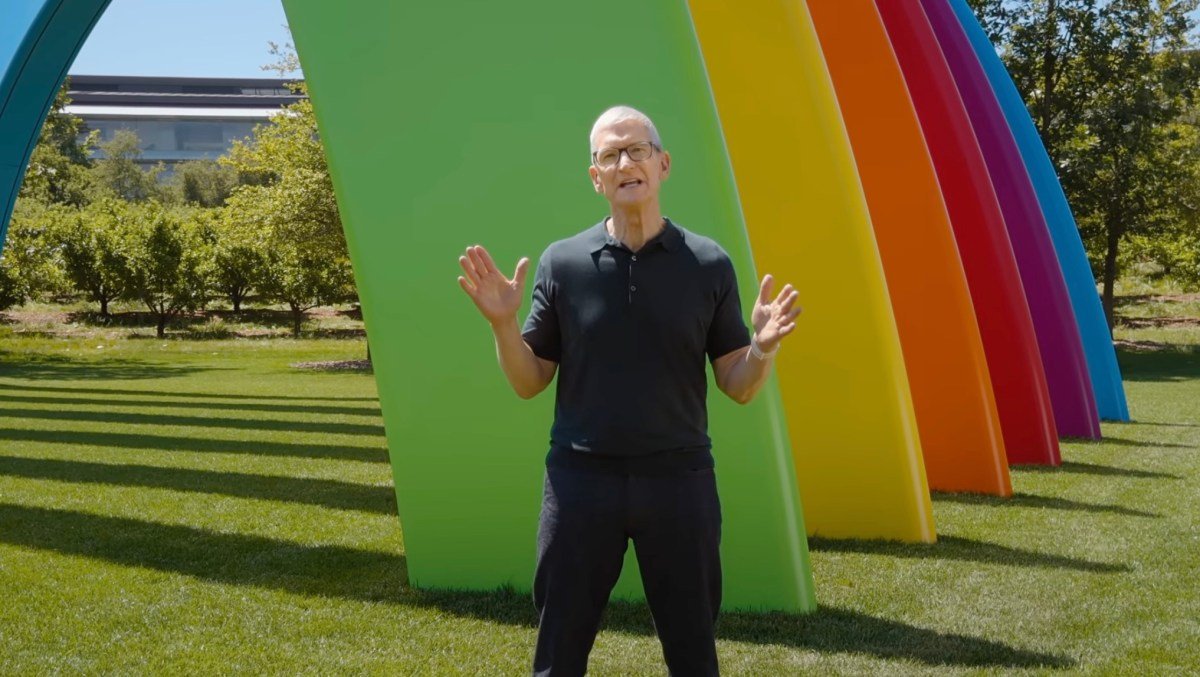
Apple spent much of its WWDC keynote highlighting fixes, performance improvements, and long-requested features before unveiling its upgraded AI-powered Siri, signaling that the company wants users to see AI as just one part of a broader effort to improve its software.
For the past two years, Apple has been racing to catch up in AI while frustrations with its core software quietly added up: a design overhaul users hated, a search function that barely worked, a file-sharing feature that routinely failed, and a Health app that didn’t focus enough on half its user base. Apple didn’t say any of that on Monday. But the structure of its WWDC keynote said it for them, leading with fixes before features, and framing a better Siri as one item on a long list of improvements rather than the main event. At minimum, the sequencing suggests Apple believes the foundation needs shoring up before it can credibly ask users to trust it with something as consequential as AI. “Instead of just introducing a host of new features, we’re also taking the features you already rely on and making them even better, because we believe the best operating systems aren’t just built on big breakthroughs, they’re built on sweating the details,” Federighi said. It’s the kind of statement that would be unremarkable from most companies, but from Apple, it was as close to an admission of fault as you’ll get. (Sweating the details is exactly what critics said the company had stopped doing.) Federighi didn’t have to wait long to prove the point. The first item on the list was the company’s controversial Liquid Glass design language that first arrived in iOS 26 and promptly triggered consumer backlash over readability and usability concerns. While visually impressive, Liquid Glass’s glass-like aesthetic made certain on-screen elements harder to see. Users pointed out numerous ways the update was undercooked, particularly on the Mac, and begged Apple for tools to restore the more frosted look. The company approached the moment carefully, saying it “really appreciates” the user feedback it received over Liquid Glass over the past year. “While we think this is a great new default look, we also know that some users would like Liquid Glass to be even more clear, and others prefer a more tinted appearance,” said Apple’s director of human interface design, Shubham Kedia, during the keynote address. (Nobody, for the record, is asking for it to be even clearer.) Apple, which had already tweaked the design before today, is now allowing users to dial it back entirely with a new slider that goes all the way to “fully tinted.”