FCC robot restrictions could accelerate shift to local AI
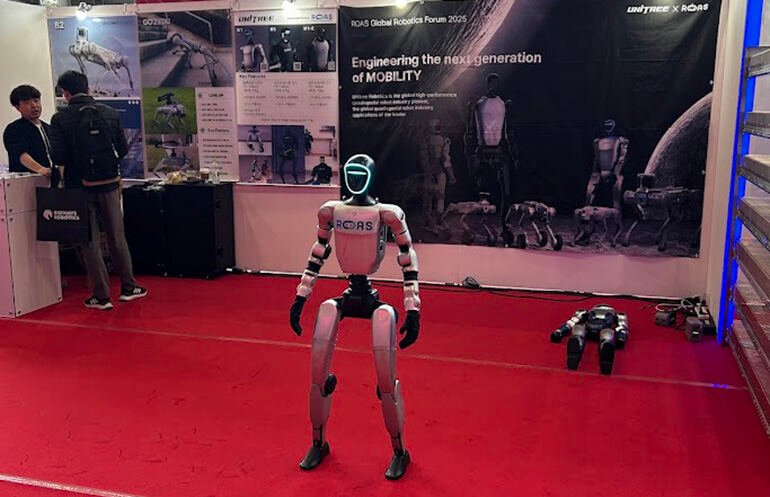
A Unitree humanoid robot at the China Humanoid Robot Conference in Seoul in March. Robots are back in the national spotlight, and this time, the conversation is about more than what they can do.
It’s about who controls them and what data they collect. The restrictions on foreign-produced robots by the Federal Communications Commission (FCC) underscore the growing scrutiny of these machines as connected infrastructure. As robots take on more work in factories, warehouses, and other high-stakes environments, questions about how they use data and make decisions are becoming harder to ignore. That scrutiny is likely to accelerate the move toward on-premises AI architectures and smaller, specialized models that can run closer to where robots operate. The more control companies want over who can access a robot and its data, the more incentive they have to keep sensitive processing close to the machine. Companies deploying physical AI today need to decide which AI workloads belong on the robot, what can remain in the cloud, and whether the underlying technology stack can meet rising expectations for security, safety, and supply-chain transparency. Robot security is becoming an architecture question In July, the FCC added foreign-produced advanced robotic devices to a list of technologies it deems to pose unacceptable national security or safety risks. That designation prevents new devices from receiving the FCC authorization generally required to be imported, marketed, or sold in the U.S. The restrictions apply broadly to advanced mobile robots, including humanoids and quadrupeds, that can collect detailed information about the environments around them. Officials have warned that foreign-made robots could give foreign actors a way to conduct surveillance, collect sensitive data, or remotely interfere with machines operating inside American facilities. But hardware origin is only one part of the security equation. If a robot is continuously collecting information about a facility and sending it to an external cloud service for processing, companies also have to consider where that data goes and who can access it. Editor’s Note: The Robot Report is hosting a free webinar on October 27 called “The FCC Robotics Ruling: What Automation Buyers Need to Know.” Join leaders from Vecna Robotics, Locus Robotics and the Association for Advancing Automation (A3) for a discussion about what the FCC action means for the robotics industry and the organizations investing in automation. Moving intelligence closer to the robot Keeping more inference on the robot or inside a facility was already attractive because it improves latency and reliability. The recent regulatory change could make local processing a higher priority for a broader range of AI workloads, especially those involving internal operational data.