How Ambi Robotics helps its customers prepare for peak season
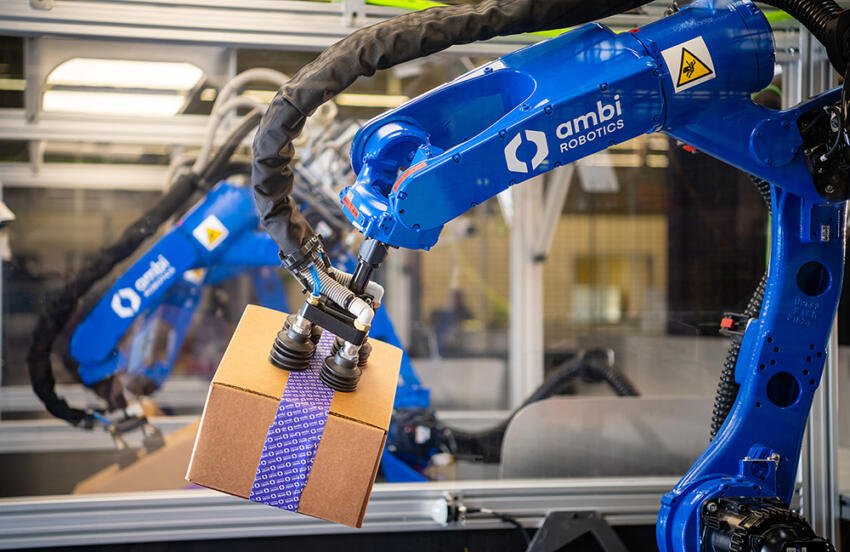
The AmbiSort B Series can streamline final-mile deliver operations with automated induction, scanning, and ‘end-to-end’ sortation. | Each year, these providers could see a 25% to 40% increase in throughput, according to Stephen McKinley, co-founder and chief operating officer at Ambi Robotics.
This year, Ambi is expecting its customers to experience a 9% to 10% increase compared with peak season last year. “Despite anything that might be going on in the economy, volume continues to ramp and e-commerce spending remains high,” McKinley told The Robot Report. “That puts familiar pressures on our clients to perform in all of their individual sites, and we’re feeling that pressure also, because our systems are core to their functions.” For Ambi, preparing for the season means installing new systems at eight facilities before peak season starts. “Most of those new sites are with this new version of AmbiSort, and though that’s not a new product, it’s definitely a new variation,” said McKinley. “We’re excited about supporting that through peak season, and we want to make sure that goes perfectly, of course, for our customers.” The Berkeley, Calif.-based company is also working to ensure that its team members will be readily available for logistics customers when they need them. “We move into a more reactive state of being, where we’ll have about half of the team traveling around to different sites to check in with what’s going on, and the other half of the team is ready to jump to solve issues as they come up,” McKinley said. How to increase throughput without adding new systems While some of Ambi Robotics’ customers plan to have more systems go live for peak season, there are other ways to increase throughput, McKinley said. “[Customers] will often add more shifts into existing operations or bring on more people to be working alongside our systems, so we can help with training,” he noted. “We offer more training to customers right before peak season to make sure they know how to effectively use the systems.” Properly training the operators working with robots on a daily basis can make a big difference in how the system performs. “Over the course of the year, we’re tracking how the systems are performing all the time,” said McKinley. “The performance of the systems is related to the inherent quality of that piece of machinery, which doesn’t really fluctuate, but also related to how the customer interacts with that machine and how attentive they are to it, or how well trained the operators are. So, we can help by stepping in and making sure that everybody knows what to do and has the right mindset when they’re approaching their system.” Ambi decreases downtime, rolls out incremental improvements Nobody wants a robot to fail, but they especially don’t want a robot to fail when they need to handle a massive increase in volume. This means reducing downtime is even more important for Ambi Robotics right now. To do this, the company forward-deploys spare parts to different sites. “Normally, we would have spare inventory here at our headquarters in Berkeley, and we would send things out as needed.