How robotics is revolutionizing stroke rehabilitation
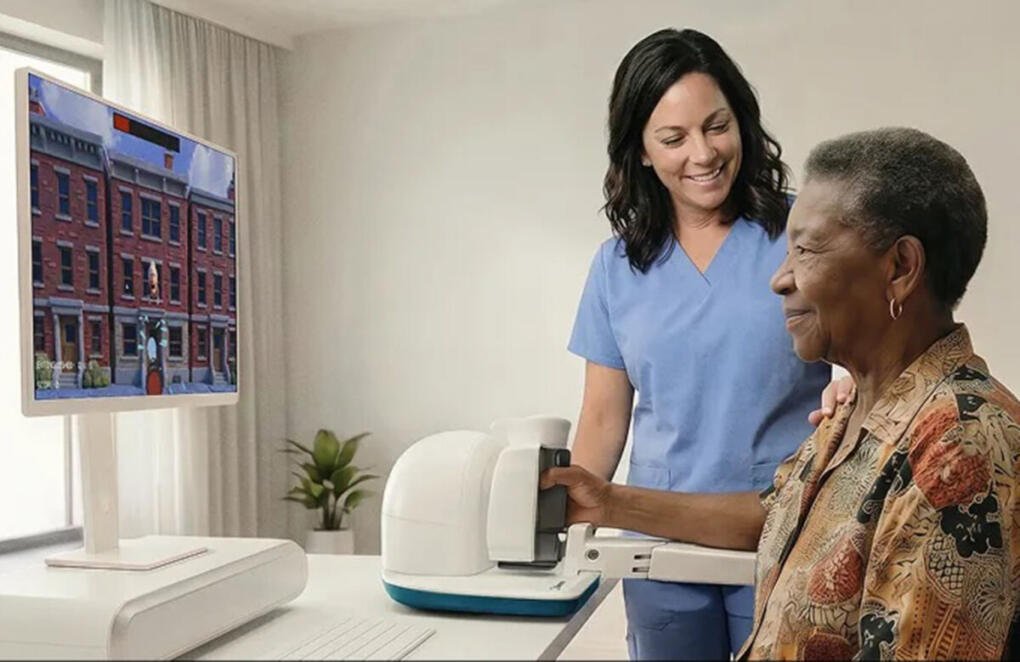
Bioxtreme’s Plaxtreme system used Error Augmentation-based technology for upper limb rehabilitation. | S.
experiences a stroke every 40 seconds. For many survivors, the rehabilitation journey is extremely long and defined by physical limitations, inconsistent access to therapy, and the challenge of rebuilding neural pathways that have been disrupted or damaged. A new generation of technology that is revolutionizing stroke recovery is now augmenting traditional therapies. Robotic rehabilitation systems are becoming more mainstream and they are increasingly becoming practical clinical tools capable of accelerating neuroplasticity, personalizing therapy, and extending rehabilitation beyond the confines of hospitals and outpatient clinics. As healthcare systems grapple with rising demand for neurological care and shortages in resources, robotics is emerging as one of the most promising forces shaping the future of stroke recovery. Register now and save on your pass to RoboBusiness 2026 Robotics and its effect on neuroplasticity The foundation of stroke rehabilitation is neuroplasticity, which is the brain’s ability to reorganize itself by forming new neural connections after an injury such as a stroke. Repetitive, task-oriented movement is one of the most effective ways to stimulate this rewiring process, but traditional therapy models often face limitations in intensity, consistency, and frequency. Robotic rehabilitation devices have been instrumental in bridging this gap. This technology can guide patients through highly controlled, repeatable movements during just a single therapy session. By increasing repetition while providing precise feedback, these devices help reinforce motor learning in ways that are difficult to achieve through conventional rehabilitation alone. Robotics can also support a rehabilitation approach known as “error augmentation,” where systems intentionally amplify movement errors to help the brain recognize and correct dysfunctional patterns more effectively. Rather than minimizing mistakes, some advanced robotic systems use adaptive resistance and feedback mechanisms to strengthen motor relearning by making errors more detectable. Error augmentation is different from traditional therapy models that often emphasize guiding patients toward correct movement patterns quickly. Error augmentation actually strategically exaggerates deviations in movement so the brain receives stronger corrective feedback. Robotic systems equipped with sensors, motion tracking, and AI-driven analytics can identify subtle motor deficits and dynamically increase resistance or distortion during exercises to encourage adaptive learning.