Pressure sensors can help improve robotic gripping accuracy
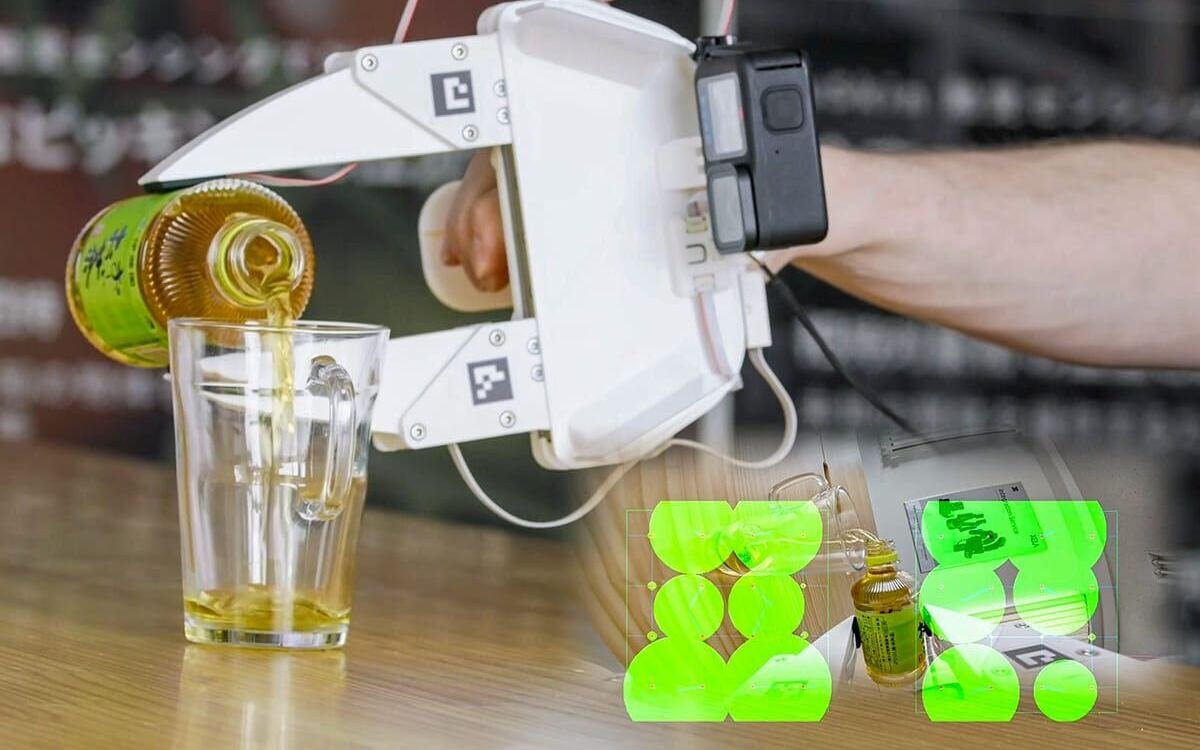
XELA Robotics has launched its UMI gripper, featuring innovative uSkin pressure sensors designed to enhance the accuracy and reliability of robotic gripping in industrial applications.
The UMI gripper addresses a significant limitation in current robotic gripping technology: the challenge of accurately assessing how robotic fingers interact with objects during contact. Traditional systems often fail not because of insufficient mechanical strength but due to a lack of real-time feedback on the gripping process. By integrating pressure sensors, the UMI gripper can provide nuanced insights into surface deformation and load distribution, which are crucial for tasks like bin picking and kitting, where grip dynamics can shift rapidly.
Pressure sensors in the UMI gripper measure distributed mechanical stress at the contact interface rather than just overall force, allowing the system to adapt to different object characteristics. For instance, the sensors can differentiate between the pressure distribution of a rigid metal part and a soft polymer, capturing critical data within milliseconds of contact. This capability enables the gripper to transition from motion control to interaction control more effectively, reducing overshoot and enhancing grip stability.
The strategic placement of these sensors is vital for optimal performance. Typically embedded in elastomer finger pads, the sensors provide direct contact measurements but may introduce mechanical filtering that delays response time. Other configurations, such as placing sensors behind rigid surfaces, improve durability but can reduce sensitivity.
Additionally, distributing multiple pressure sensing zones along the fingers allows for differentiation between various types of contact, which is essential when handling irregularly shaped objects. As robotic applications evolve, the integration of pressure sensing technology is poised to significantly enhance the dexterity and reliability of robotic systems across diverse industries.
Why it matters: The introduction of pressure sensors in robotic gripping systems marks a significant step forward in automation technology. This advancement not only improves the precision of robotic operations but also opens new avenues for applications in industries where delicate handling is crucial. As companies increasingly adopt these technologies, the focus will shift to optimizing sensor integration and exploring further innovations in robotic dexterity.
Questions and answers
What is the purpose of the UMI gripper?
The UMI gripper enhances the accuracy and reliability of robotic gripping in industrial applications.
How do pressure sensors improve robotic gripping?
Pressure sensors provide nuanced insights into surface deformation and load distribution, crucial for tasks like bin picking and kitting.
Original reporting: The Robot Report