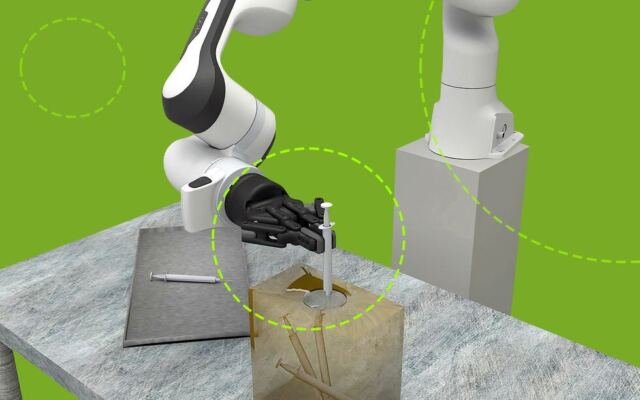
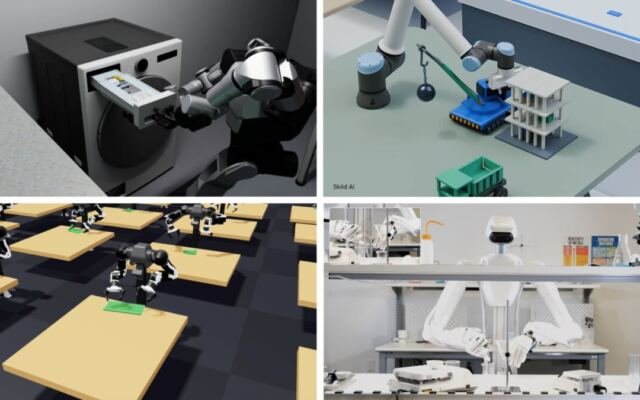
Robot integration brings high-precision production to midmarket manufacturers

High-precision manufacturing was once considered something exclusive to large corporations. However, advances in robotic integration and automated manufacturing have changed this perception.
Sophisticated capabilities are becoming accessible to midmarket and smaller operations. This shift has led to a more even competitive landscape. Smaller manufacturers have an opportunity to reach new levels of accuracy and efficiency. Today’s robotic systems can help these producers modernize targeted workflows without overhauling their entire production operations. Robotic innovations drive efficiency for manufacturers The evolution of robotics has led to more democratized precision manufacturing processes. This is evident across industrial robots and agile collaborative robots. Key benefits of these innovations can include: Cost and footprint: The potential for lower investment costs and compact designs can make robotic systems economically viable. It can also simplify integration into existing layouts. Enhanced programming: Intuitive interfaces and lead-through teaching methods support quick deployment and reconfiguration. This reduces the training typically required for operators without robotics expertise. Sensors and AI-driven capabilities: Sensors, such as vision systems and force-torque sensors, can be integrated with AI. This enables robots to understand, react and adapt with precision. Safety and collaboration: Cobots can work safely alongside humans without extensive guarding. This fosters a flexible human-robot workforce that combines optimal utilization and human dexterity. These advancements mean that midmarket manufacturers can overcome hurdles like skilled labor shortages, rising costs, and quality demands.