Robotics roadmaps from around the world spotlight of the month: China
TSMC Corp. — china is targeting the next industrial revolution by doubling down on embodied AI and humanoid robotics, building directly on its vast manufacturing infrastructure. By Ellen H.
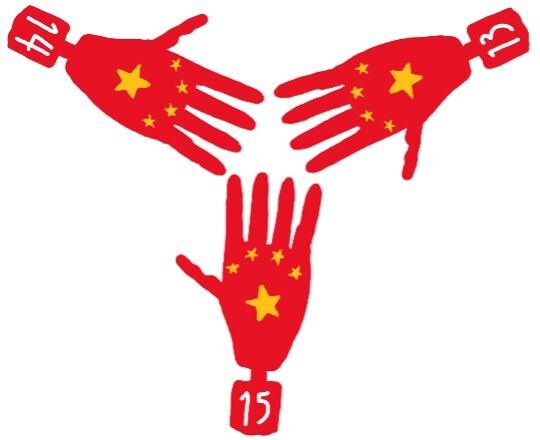
Rumley and Allison Okamura Beyond the Robot Olympics Chinese robots have quickly entered global public consciousness in recent years, appearing as background robo-dancers in pop concerts and as humanoid marathon and sprint runners outpacing elite athletes (1). Domestically, robots are deployed as traffic guides and restaurant service staff, while swarms of drones entertain audiences in urban light shows or deliver takeout to high-rises (2, 3). These public debuts serve to both normalize automation in everyday civilian life (4) while projecting international soft power. Behind the public spectacle lies a bold agenda for global economic dominance. In its geopolitical contest with the United States, Beijing sees robotics as the core engine to project power and dictate the future of global supply chains (5). This ambition is further accelerated by domestic drivers of an aging population and a shrinking industrial workforce, compounded by the legacy of the one-child policy and rapid urbanization. Alongside targeted talent acquisition initiatives like the K-Visa (6, 7), China aims to pioneer a new era of industrial leadership while mitigating a long-term structural gap through a state-orchestrated robotics surge. Five-Year Plans (FYPs) The Chinese Communist Party leverages its central authority to align state enterprise, private capital, and supply chains towards common strategic objectives, carrying the momentum to implement sweeping technological changes. Since the 1950s, every five years the government has produced large-scale roadmaps detailing major objectives mandated across its various levels of government. Called the Five-Year Plans (FYPs) – these documents provide bold economic development initiatives that are credited for structural reform like the opening of China to foreign trade in the 1980s (8). The FYPs have been influential in strengthening the nation’s manufacturing base and is now playing a defining role in advancing Chinese robotics. FYP13 & FYP14: Made in China The 13th FYP (2016-2020) laid the critical foundation of China’s robotics ascent and operationalized Made in China 2025 (MIC2025), a campaign to transition China from a “low-cost global factory floor” into a sovereign high-tech manufacturing leader (9). While most leading industrial nations historically outsourced production, China, as a historical receiver of outsourced production, took advantage of their vast manufacturing infrastructure to invest early into physical foundries and integrated supply chains that many nations are now spending heavily on to re-shore within their own borders (10). Key goals of MIC2025 were to climb up the global value chain across strategic sectors like robotics, using massive government subsidies to offset production costs (11). While many international critics condemned these subsidies as market distortion and imposed sanctions as a response (12), paradoxically this intensified Beijing’s efforts towards a sovereign tech sector.