TU Darmstadt researchers propose redefining computer science as ‘Computer and AI Science’
Researchers at the Technical University of Darmstadt have proposed redefining computer science as ‘Computer and AI Science,’ arguing that generative AI fundamentally changes software development and safety standards.
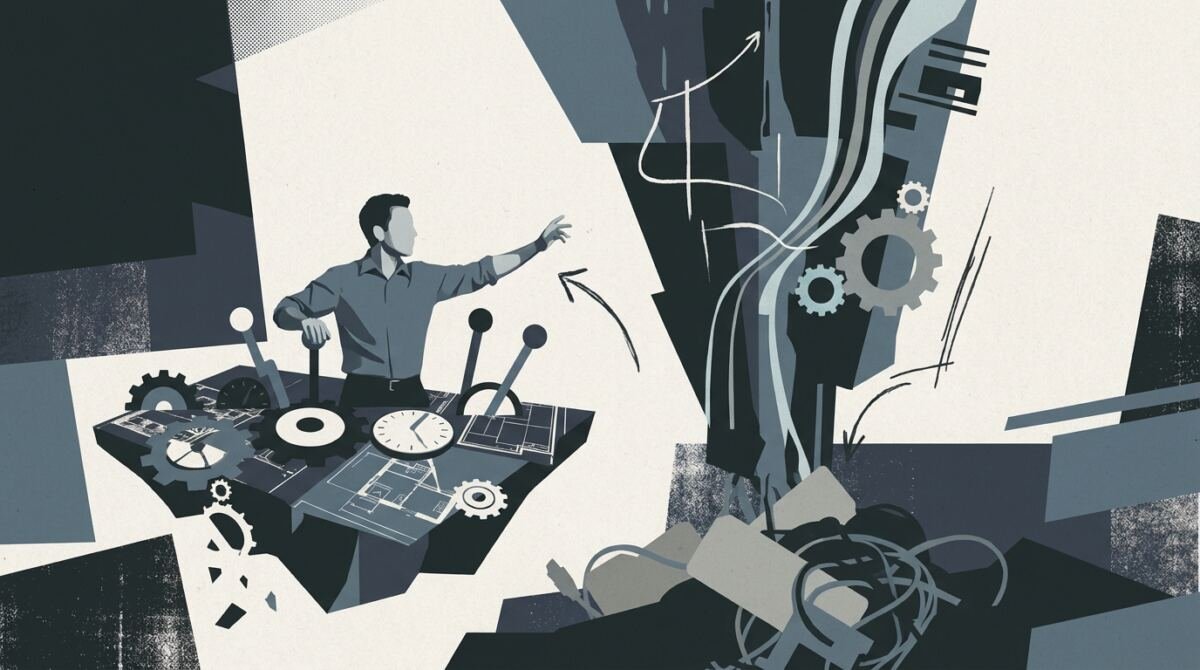
In a position paper released on November 24, 2026, 40 researchers from the Department of Computer Science at TU Darmstadt contend that the integration of artificial intelligence into software development is not just an enhancement but a critical evolution that requires a new academic framework. They argue that generative AI enables developers to create software by simply describing desired features in natural language, which can reduce development time from months to mere days.
This shift, they claim, lowers barriers for individuals and organizations that previously lacked the resources to engage in coding, allowing small towns, midsize manufacturers, and specialized research projects to build their own software solutions. The researchers emphasize that as AI systems become more autonomous, the role of computer scientists must evolve from manual coding to overseeing and verifying AI-generated outputs.
They identify the transition to what they term ‘Generative Computing’ as a profound challenge for the field. This shift blurs the lines between those who specify workflows and those who utilize the systems, raising critical questions about how to ensure safety, privacy, and correctness in software that is dynamically generated at runtime. Traditional methods of software verification and certification may no longer suffice in an era where AI systems can interpret human intent and autonomously generate code.
Moreover, the paper addresses the urgent need for computer science to confront the environmental impact of AI technologies. The researchers advocate for the development of more efficient algorithms and hardware architectures to mitigate the substantial energy consumption associated with current AI systems. They believe that computer science must adapt to the rapid advancements in AI while also taking responsibility for its societal implications, particularly as embodied AI systems, such as robots and autonomous vehicles, become increasingly prevalent.
The authors call for a curriculum shift in computer science education to focus on the oversight of AI systems, ensuring that future professionals are equipped to navigate the complexities introduced by these technologies. As the field grapples with these changes, the researchers propose that students should engage in coursework that requires them to complete assignments without AI assistance, reinforcing the importance of foundational knowledge.
This approach aims to prepare graduates to make informed decisions about the ethical implications of AI, particularly in scenarios where safety and efficiency may conflict. The call for a redefined computer science curriculum reflects a growing recognition of AI’s critical role in shaping the future of technology and society.
Why it matters: The push to redefine computer science as 'Computer and AI Science' reflects a significant shift in how software development is perceived and executed. As generative AI becomes integral to the field, educational institutions must adapt their curricula to prepare students for a future where oversight of AI systems is paramount. Watch for how this proposal influences academic programs and industry practices in the coming years.
Questions and answers
What is the main argument of the TU Darmstadt researchers?
The researchers argue that generative AI fundamentally changes software development and necessitates a redefinition of computer science as 'Computer and AI Science.'
How does generative AI affect software development?
Generative AI allows developers to create software by describing features in natural language, significantly reducing development time and lowering barriers for various organizations.
What changes do the researchers propose for computer science education?
They propose that computer science programs shift focus from manual coding to overseeing AI-generated systems, including coursework that requires students to work without AI assistance.
Original reporting: The Decoder