New AI model called “Count Anything” does exactly what it says, and that’s harder than it sounds
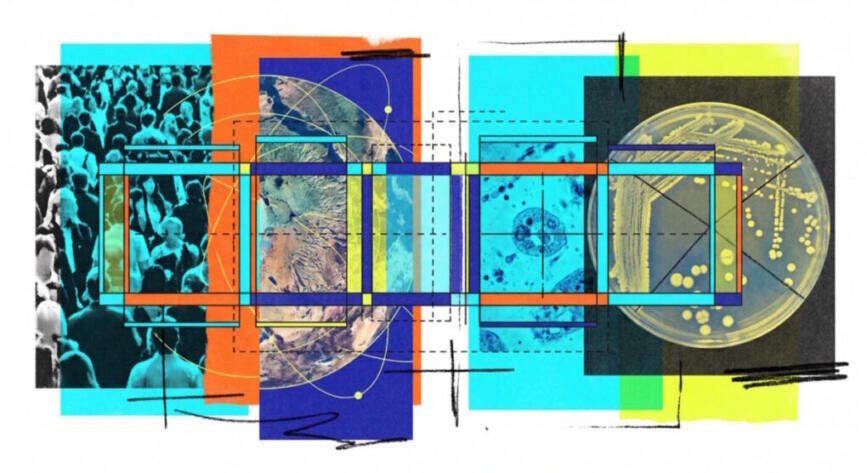
“Count Anything” is intended to be the first AI model capable of counting objects in any type of image, from crowds to cell samples under a microscope, using nothing more than a text prompt. In a comparative test, it cuts the error rate in half compared to previous systems.
But one seemingly simple task remains surprisingly hard: reliably counting objects in an image. Getting those counts right has real consequences, whether it’s a doctor reading a scan, a farmer estimating crop yields, or a city planner analyzing traffic. Until now, each of these tasks has required its own specialized system. That’s where “Count Anything” comes in. The new AI model from researchers at Tsinghua University and other institutions aims to count objects across very different types of images, whether that’s heads in crowds, cars in satellite photos, cells in medical scans, or bacterial colonies in the lab.Ad It’s a familiar problem. A system that reliably counts heads in a crowd often chokes on tightly packed cells under a microscope or tiny vehicles seen from above. The researchers want a single model that takes text input, marks every counted object in the image, and handles wildly different image types.AdDEC_D_Incontent-1 The key idea is combining two approaches that complement each other. One specializes in large, clearly visible objects and draws bounding boxes around them. The other handles small, densely packed objects by placing a dot on each detected target. Both predictions get merged at the end. A simple rule keeps the same object from being counted twice. When both counters flag the same target, only the prediction with higher confidence survives.Ad The system builds on a pretrained model from Meta called SAM3 that can process images and text together. Count Anything adds small adapter components on top for the counting task instead of retraining the whole model from scratch. For the model to learn this broadly, the researchers first had to build a matching dataset. Existing public datasets were typically built for a single purpose, like tumor cells or satellite images.