How would AI data centers in space even work? A former NASA robotics chief explains
Written by Joe McKendrick, Contributing WriterContributing Writer July 27, 2026 at 5:05 a.m. PT yucelyilmaz/iStock/Getty Images PlusFollow ZDNET: Add us as a preferred source on Google.
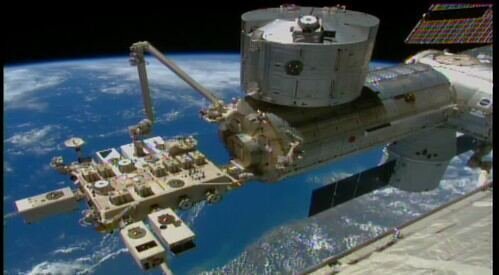
In the very near future, some or all of your workloads and data may be processed in space-based data centers. But will you notice? Probably not, a former NASA leader has predicted. A robust space-based future lies ahead for the IT industry, said Dr. Robert Ambrose, former chief of NASA's Software, Robotics and Simulation Division, and currently chairman of robotics and AI at consultancy Alliant. Moving data processing into orbit to handle the insatiable demands of AI and the digital economy may have compelling benefits. Earth-based data centers have met resistance from community and environmental groups who cite impacts on energy and water, with the facilities even creating some forms of pollution. There is also uncertainty as to how existing resources will meet the rising energy demands of AI processing. Also: The cloud vs. clouded leopard: America's data center backlash on display at Nashville Zoo Ambrose said space-based data centers could offer freedom from the energy grid. They would consume energy via attached solar arrays, rather than from land-based power grids. "You collect electricity in space, and you eject heat in space. The only thing that comes to Earth is data," he said. While full-fledged space data centers still may be a few years out, space-based data processing is already happening in various forms today. "Much of our data already is at some point doing a transit through space," Ambrose said. "For example, if you're taking a picture of a forest fire from a spacecraft, and doing analysis or enhancements on it, your data is already in space." While space-based data centers offer an interesting alternative to land-based data centers, they also have their own share of issues.