Google dismantles Deepmind and bets on a fresh start as Hassabis heads for the exit
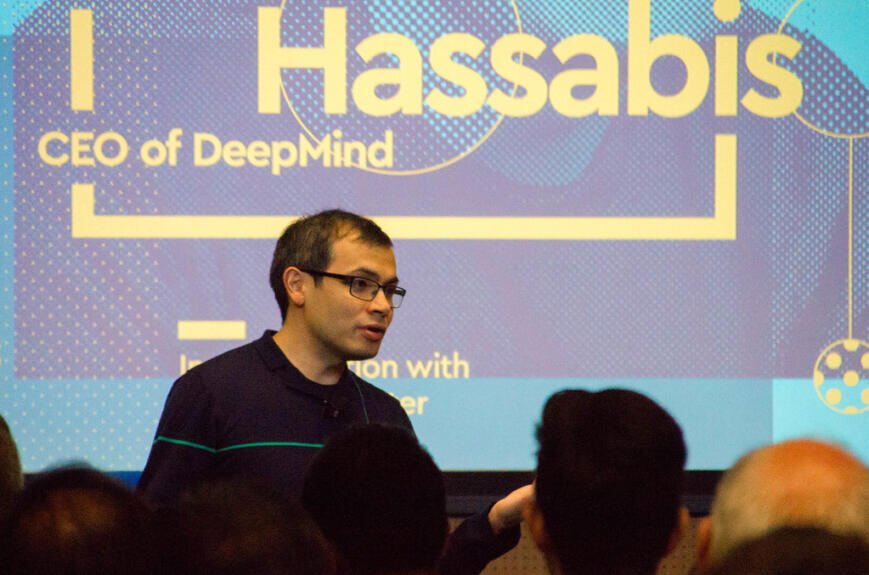
Google Deepmind could lose its independence, and founder Demis Hassabis may soon leave the company for good. According to a Guardian report, a former Google manager believes the “era of DeepMind as an independent actor is over,” and a current DeepMind employee now calls the lab “just another subdivision” of Google.
AI researcher Koray Kavukcuoglu will take over day-to-day operations from the U.S., but he won’t carry the CEO title. That alone backs up the claim: DeepMind no longer has its own chief executive. As for Hassabis, Pathfounders reports that he wanted to leave at the same time as Jeff Dean, but Google feared an even steeper stock drop than the one that already hit when Dean’s departure and Hassabis’s role change were announced. Instead, Hassabis was “promoted” to chairman to smooth the way for an orderly exit. He plans to spend more time on his scientific work and the pharmaceutical startup Isomorphic Labs and could leave DeepMind for good in the coming months.Ad With Hassabis sidelined, all Gemini-related AI development is moving to the Bay Area, and Google co-founder Sergey Brin is expected to take on even more control. Brin had already come out of retirement during Google’s first “red alert” over ChatGPT and jumped back into active development. Shortly after, Google Brain and DeepMind merged into “Google DeepMind.” That’s also how the Gemini models got their name, since the “twin” teams from both organizations were supposed to work together on a joint project. The tensions go back years: even then, reports surfaced about frustration with the restructuring, especially from Hassabis himself.AdDEC_D_Incontent-1 Their argument is that DeepMind is no longer a frontier lab. The departures stem from years of overly cautious compute allocation and a bureaucratic, risk-averse culture. Google had advanced AI systems long before ChatGPT but failed to get them into users’ hands fast enough.Ad SemiAnalysis compares this to IBM retreating from the PC business into mainframe consulting, or Intel giving up bold investments to protect its legacy business. Both turned out to be mistakes. Another piece of the critique is that Google prioritizes short-term cloud profits by selling compute to third parties instead of giving its own teams the resources to build a lead in AI applications. Gemini’s annualized revenue stood at $12 billion in the second quarter of 2026. Google Cloud, on the other hand, is projected to generate over $73 billion in AI infrastructure revenue and an additional $120 billion in TPU sales by the end of 2027. That’s where the money is, at least for now.AdDEC_D_Incontent-2 His go-to example is Thomas Edison, the pioneer of electricity, who was overtaken by George Westinghouse and his Westinghouse Electric Company. Edison built the light bulb and the first power plant, but Westinghouse won by using alternating current to build a power grid that brought electricity to all of society. Google’s latest Flash models fit this reading, since they’re optimized for efficiency while staying smart enough to be useful.