Cursor’s agent swarm suggests cheaper models can handle most coding when frontier models plan the work
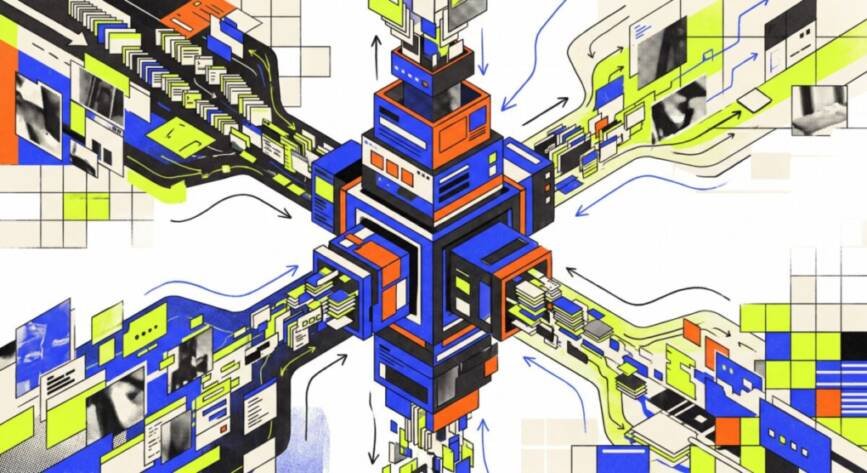
Cursor pitted an upgraded agent swarm against its predecessor by asking both to rebuild SQLite in Rust using only the documentation, with no source code or internet access. Every configuration of the new system reached 100 percent on the test suite, while the old swarm bogged down in its own merge conflicts.
At Cursor, agent fleets have moved from research project to core product. With Cursor 3, developers can run entire fleets of AI agents in parallel. Anysphere, the company behind Cursor, was recently acquired by Elon Musk’s SpaceX for $60 billion. The system divides agents into two roles: planner agents using powerful frontier models recursively break a goal into smaller tasks. Worker agents using faster, cheaper models carry out those tasks. The result is a task tree that adapts as the work progresses. Cursor says this role split primarily solves a context problem. A lone agent has to traverse the entire tree while keeping both the goal and the current task in mind. That helps explain why agents drift during long jobs. In Cursor’s swarm, planners don’t write code, and workers don’t plan. An earlier Cursor browser swarm reached about 1,000 commits per hour on Git. It used worker agents, a judge agent, and an integrator that resolved conflicts. The integrator ended up creating more bottlenecks than it removed. The new swarm reached 1,000 commits per second, so Cursor built its own version control system because agents working at that rate created failure modes that human teams never encounter. In what Cursor called “split-brain design,” two planners would unknowingly build the same idea in different places and implement it in different ways.