Eric Sivertson discusses FPGAs and robot security
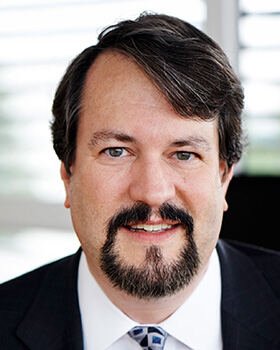
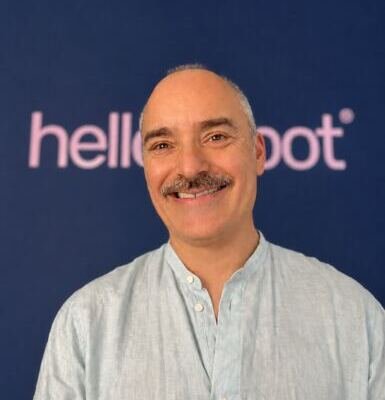
Tesla — eric Sivertson, VP of Security Business, Lattice Eric Sivertson recently discussed field-programmable gate arrays, or FPGAs, on The Robot Report Podcast, Episode 260. The vice president of the security business at Lattice Semiconductor discussed how FPGAs are a critical component in security for robots.
The conversation examined some of the security risk vectors and how FPGAs can help to lock down the system. Where we are with physical AI and robotics today? Sivertson: This is a good question, and I like to use humanoids as the standard-bearer of this intersection of AI and the physical world. You can look at robot [arms] too, but humanoids really highlight this situation. I like to say that you can’t trust a humanoid if it’s not both safe and secure. This is really the big paradigm shift that’s about to hit this industry. If you look at robots today, a lot of robots are in a cage, or they’re locked to the floor. So they have limited mobility. When you get to a humanoid, some robots fall in this category too. You can think of a Tesla as really a rolling robot. So when you think about these intersections of what I would call cyber with the physical world, another term that’s used is “cyber-physical systems.” The humanoid is an easy one for people to wrap their heads around because it really is this intersection of AI and the physical world. And that’s why I say it needs to be both safe and secure. In other words, if it follows the typical safety paradigm that it does certain functions within its limits, that’s good. You have to have that. We want the humanoid to be able to detect the force properly and have a way to stop when it might be going to bump into a human, and have some guardrails to keep it from doing bad behavior.