Why Deploying Physical AI at Scale Demands Safety at Every Layer
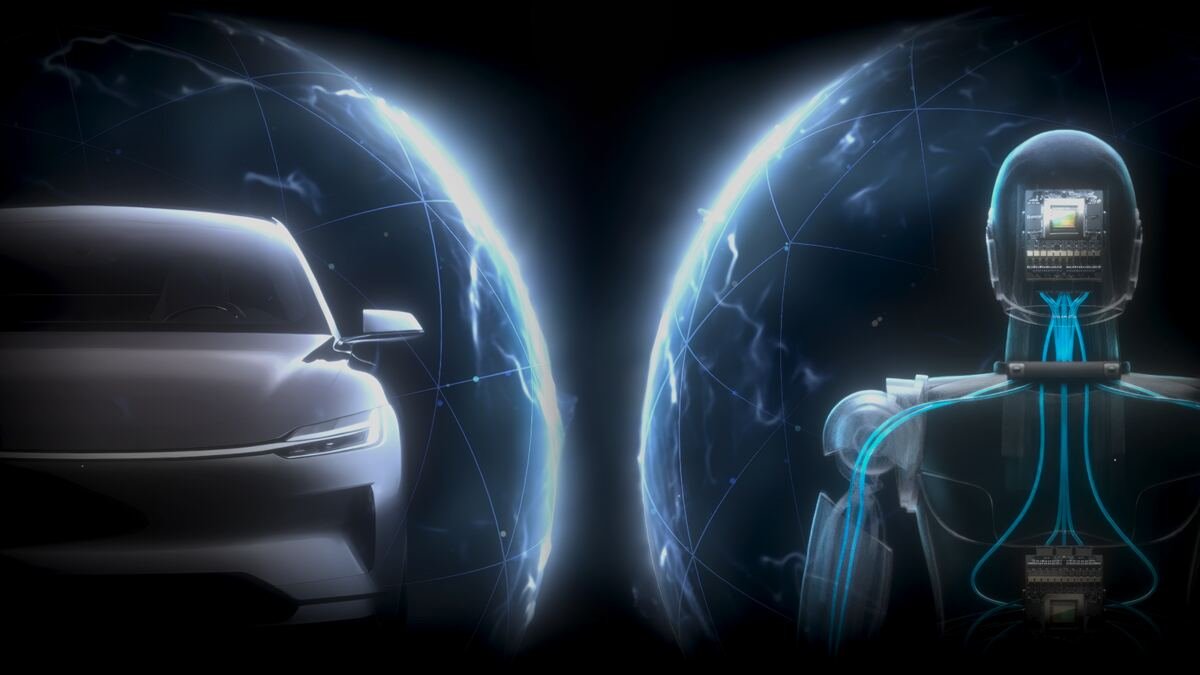
NVIDIA Corp. — physical AI is moving rapidly from research to large-scale deployment. By 2035, ABI Research projects an installed base of 49 million level 3-5 autonomous vehicles (AVs), while Omdia estimates that roughly 60 million industrial robots will be deployed between 2026 and 2035.
As these machines enter roads, factories, warehouses and other environments shared with people, safety must scale with them. Physical AI safety means proving that AI-driven machines — AVs, humanoid robots, industrial robots and more — behave safely when their decisions turn into physical action. That requires safety across the hardware, software, AI, operating environment and deployment lifecycle — not a one-time check before deployment. Why Is Safety the Key to Scaling Physical AI? After years of testing and benchmarking, AVs continue to expand commercially. That progress has required developers to demonstrate how automated systems address potential hardware and software failures, limitations in intended functionality and AI-specific risks. Robotics is approaching a similar inflection point as autonomous machines move into factories, warehouses and other environments shared with people. Across physical AI, manufacturers, regulators, insurers and workplace safety teams need evidence that hardware, software, AI behavior and operating environments can work together safely without human intervention. Why Does Physical AI Need a New Safety Model? Four shifts define new safety standards: Dynamic environments require context-aware safety. Roads, factories and warehouses cannot be fully controlled through static zones or physical barriers. Autonomous systems must perceive changing conditions, adapt their behavior and reach a safe state when something unexpected occurs. AI behavior requires its own assurance. Testing must assess AI software alongside traditional functional safety, using design-time, runtime and validation-time guardrails. Emerging standards such as ISO/IEC TS 22440 are beginning to address these AI-specific risks.