Why predictive maintenance matters more as factories add robots
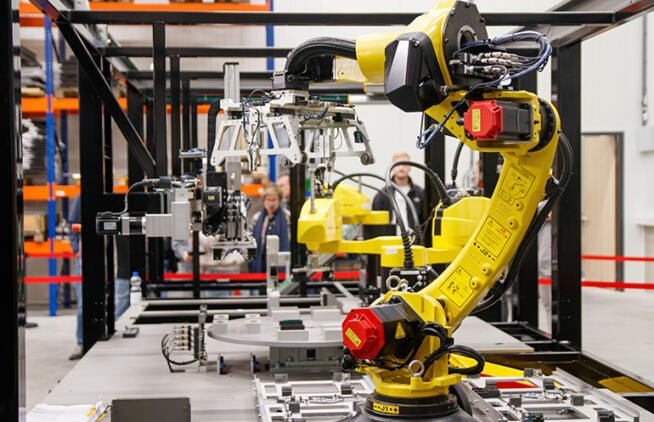
Robot data combined with predictive analytics can improve uptime and productivity, says ATS. As robotics take on a greater share of production, keeping those systems available becomes more important.
The International Federation of Robotics (IFR) reported about 5 million industrial robots in operation worldwide in 2025, up 11% from the prior year. An unexpected robot failure can affect more than one machine. It can interrupt a cell, slow a line, and create delays that spread through the plant. As manufacturers rely more heavily on robotic systems, the need to identify developing problems before they force equipment offline becomes increasingly valuable. Why robotic systems raise the support stakes Traditional preventive maintenance follows a schedule based on time, usage, or manufacturer recommendations. That approach still has value, but it may not reveal what’s happening inside a robot between planned service intervals. A joint, reducer, motor, or controller can begin to show signs of wear while the robot is still operating. Predictive maintenance uses equipment data to identify changes that may point to developing faults. NIST describes condition monitoring as the detection, diagnosis or prediction of faults and failures in industrial equipment. For robotics, that means maintenance decisions can be based more on actual equipment condition than on a calendar alone. Submit your innovation now! What predictive maintenance can monitor Industrial automation and related systems generate many types of operating data. Useful signals depend on the robot, application, and failure mode. Common examples include vibration, temperature, and motor current. Torque, controller alarms, cycle data, and maintenance history can also provide useful context. The goal isn’t to collect every available data point. Teams need data that can reveal changes tied to the way a robot operates. A rise in vibration may point to a mechanical issue, while changes in motor current or torque may indicate added resistance or abnormal loading. Temperature variations can also signal that a component isn’t operating as expected. Changes in an end effector, sensor, conveyor, or surrounding process can affect robot performance.